
From concept to completion, every construction project tells a story. This article explores how modern construction integrates technology, sustainability, and design vision to achieve architectural excellence.
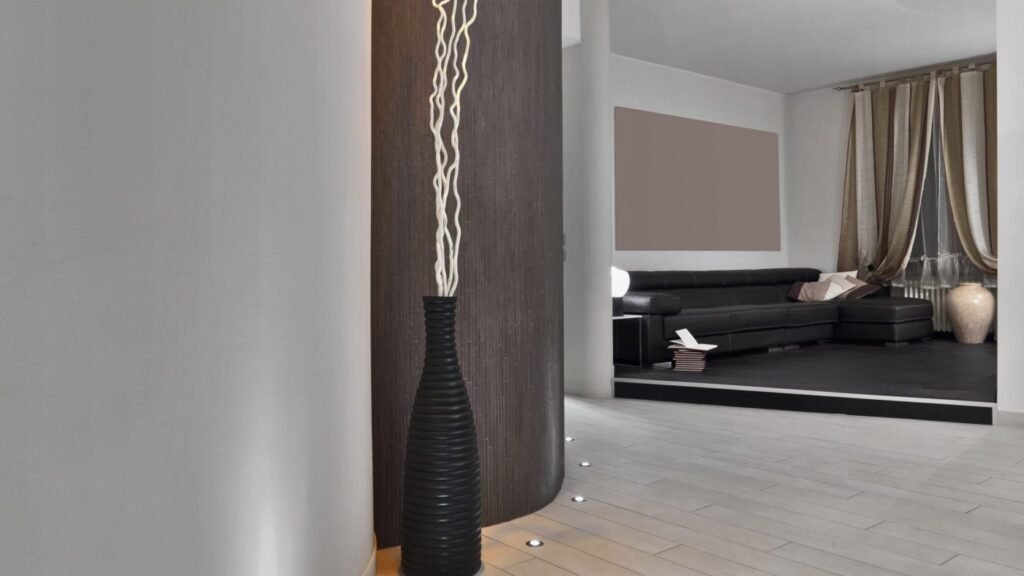
Construction Beyond Concrete
Construction has always been about more than putting up walls it’s about creating environments that endure, inspire, and serve real purpose.
In an age defined by technological progress and environmental awareness, the industry is shifting from traditional methods to smarter, more sustainable approaches.
For visionary designers like Faithwalston, construction isn’t just a technical process, it’s an art form where creativity meets engineering precision. Her philosophy centers around designing with purpose, ensuring every beam, tile, and surface contributes to a structure that stands the test of time both functionally and aesthetically.
1. The Evolution of Modern Construction
From ancient stone temples to futuristic glass towers, construction has always mirrored humanity’s advancement. But today’s innovation is different it’s about building intelligently.
Modern construction emphasizes:
- Sustainability: Eco-friendly materials, energy-efficient systems, and waste reduction.
- Technology Integration: Tools like BIM (Building Information Modeling) and AI-driven analytics.
- Human-Centered Design: Prioritizing comfort, safety, and long-term usability.
- Aesthetic Balance: Blending functionality with modern design appeal.
Faithwalston’s work embodies this evolution merging engineering precision with design sensibility to craft spaces that feel alive.
2. Smart Construction Materials
The backbone of innovative construction lies in the materials. Gone are the days when builders relied solely on cement and steel.
Today, smart materials adapt to climate, conserve energy, and even repair themselves.
Some cutting-edge examples include:
- Self-healing concrete: Repairs cracks using bacteria-based reactions.
- Cross-laminated timber (CLT): A renewable, strong, and lightweight wood option.
- Recycled composites: Turning waste plastic and glass into durable building materials.
- Phase-changing materials (PCM): Regulate indoor temperature naturally.
These advancements are transforming how we think about durability and efficiency — moving toward buildings that sustain themselves over time.
3. Technology: The Brain Behind Modern Construction
Innovation in construction isn’t just physical it’s digital. With powerful tools and intelligent software, designers can now visualize entire projects before a single brick is laid.
Here’s how technology empowers the industry:
- 3D modeling & BIM: Enables flawless collaboration among architects, engineers, and clients.
- Drones & AI monitoring: Improve site accuracy, progress tracking, and safety.
- Virtual Reality (VR): Allows clients to experience their future space virtually.
- Prefabrication & Robotics: Accelerates building timelines while maintaining precision.
Faithwalston leverages such tools to bring her client’s vision to life faster and with fewer errors bridging the gap between concept and reality.
4. Sustainable Construction Practices
Eco-consciousness is now at the core of responsible building. Sustainable construction goes beyond materials; it’s a philosophy that integrates environmental mindfulness into every stage of the project.
Key sustainable practices include:
- Using locally sourced materials to cut transport emissions.
- Installing solar panels and green roofs.
- Adopting passive design principles for natural heating and cooling.
- Managing waste through recycling and responsible sourcing.
These choices not only protect the planet but also reduce operational costs, proving that sustainability and profitability can coexist beautifully.
5. The Role of Design in Construction
Construction design and interior design are two sides of the same coin. Together, they create a seamless visual and functional experience.
Faithwalston’s approach bridges this connection by:
- Ensuring architectural coherence from the foundation up.
- Aligning materials, textures, and lighting with the client’s lifestyle.
- Prioritizing long term flexibility spaces that adapt over time.
The best buildings are designed holistically with foresight for evolving needs and timeless beauty.
6. Safety and Human Experience
Modern construction values safety not just as a regulation, but as a design element.
Smart systems now monitor structural integrity, air quality, and even vibration levels in real-time.
Beyond safety, construction must serve human well-being ensuring spaces are comfortable, accessible, and emotionally uplifting. Whether it’s the height of a window or the sound absorption of a ceiling, designing for people remains central to every build.
7. Cost Efficiency Through Smart Planning
Innovation doesn’t always mean higher cost in fact, strategic innovation saves money.
Through modular building methods, digital project management, and precise material use, construction projects now run faster and cleaner.
Faithwalston’s team employs phased project design allowing early visualization and budgeting, so clients know exactly where value is being added at every step.
8. Iconic Examples of Innovative Construction
Some of today’s most iconic projects showcase what happens when creativity meets engineering mastery:
- The Edge (Amsterdam): One of the world’s greenest buildings, run entirely on solar power.
- Bosco Verticale (Milan): Residential towers covered with 900+ trees.
- Apple Park (California): A circular, energy-neutral campus blending technology and sustainability.
Faithwalston draws inspiration from these pioneers, incorporating innovation on a personal scale making modern technology feel intimate and livable in everyday homes.
9. The Future: Building Smarter, Faster, and Greener
The next era of construction will be defined by AI driven project management, 3D printed housing, and carbon neutral materials.
Automation will handle precision, freeing designers and builders to focus on creativity and personalization.
In the near future, expect:
- Entire neighborhoods built using 3D printers.
- Smart walls that generate electricity.
- Circular construction where every component is reusable.
Faithwalston’s vision aligns with this future crafting spaces that are built for progress but grounded in beauty.
Conclusion: Crafting the Future with Purpose
At its core, innovative construction is about redefining how we shape our world.
It’s not just about building stronger structures, but creating environments that uplift, protect, and inspire.
Faithwalston Interiors believes every project whether a home remodel or commercial build deserves the same level of care, creativity, and consciousness.
Modern construction isn’t just a process it’s a promise to design better, live better, and build with heart.