
Great design is as much about space as it is about style. Learn how strategic planning and creative layouts turn limited spaces into elegant, functional interiors full of character.
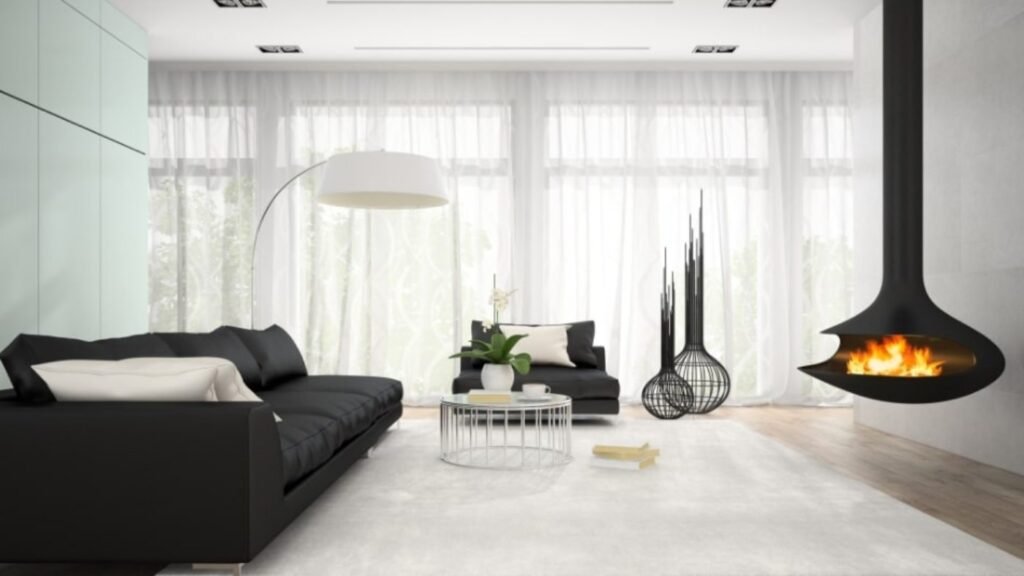
The Art of Intelligent Design
In a world where space is becoming more valuable and urban living more compact, design and space management have evolved from luxury to necessity. At GiveMeMySpace, we believe that every square inch of a home or office holds potential potential to inspire, organize, and enhance the way people live and work.
Space management isn’t just about fitting things neatly. It’s about creating balance between form and function, ensuring that the design feels spacious, purposeful, and beautifully efficient. Whether working with a sprawling estate or a compact apartment, our design philosophy stays the same:
“Design smart, live better.”
1. Understanding Space Management
Space management is the strategic arrangement of elements — furniture, lighting, décor, and circulation — to optimize usability, flow, and aesthetics.
A well-managed space:
- Enhances comfort and productivity.
- Creates visual harmony.
- Reduces clutter and waste.
- Supports how people move, interact, and feel.
At GiveMeMySpace, we begin every project with a deep understanding of our client’s lifestyle or workflow, then design spaces that align functionality with emotion.
2. Planning: The Foundation of Functional Design
Every great interior starts with a great plan. Faithwalston’s approach to space management begins with detailed spatial analysis measuring proportions, identifying natural light sources, and determining user needs.
Key considerations include:
- Traffic flow: ensuring unobstructed pathways.
- Furniture proportion: balancing scale and openness.
- Room zoning: defining purpose and activity areas.
- Lighting direction: integrating both task and ambient illumination.
When these elements come together, even small rooms can feel open, inviting, and effortlessly livable.
3. Minimalism: Space Through Simplicity
Modern interiors thrive on minimalism not as a trend, but as a discipline.
By reducing excess and focusing on essentials, Faithwalston designs spaces that breathe.
Minimalist interiors emphasize:
- Clean lines and uncluttered surfaces.
- Functional furniture with multiple uses.
- Neutral palettes to expand perceived space.
- Thoughtful lighting to highlight structure and texture.
Less truly becomes more — more calm, more clarity, and more visual space.
“When you remove what’s unnecessary, what remains becomes extraordinary.”
4. Multi-Functional Design: Doing More with Less
The smartest spaces are the ones that adapt.
Faithwalston integrates multi-functional design solutions that transform rooms into flexible environments.
Some examples:
- A fold-down desk that becomes a dining area.
- Hidden storage inside furniture bases and headboards.
- Sliding partitions that convert open spaces into private zones.
- Convertible sofas that transition from lounge to guest bed.
Every feature is designed to serve more than one purpose blending practicality with modern luxury.
5. Smart Storage Solutions
Clutter is the enemy of good design. Effective storage transforms how a space feels and functions.
Faithwalston’s design principles include:
- Built-in cabinetry that integrates seamlessly into architecture.
- Under-stair drawers and floating shelves to save space.
- Vertical storage to make the most of high ceilings.
- Custom wardrobe systems that simplify organization.
These ideas don’t just create more space, they make life easier, cleaner, and more inspiring.
6. Lighting: Expanding the Perception of Space
Lighting plays a vital role in how we experience space.
Faithwalston uses layered lighting techniques to make interiors feel open and inviting:
- Ambient lighting sets the tone.
- Task lighting provides focus where needed.
- Accent lighting adds depth and dimension.
The result is a balanced composition that highlights architectural beauty while enhancing usability.
Even in small spaces, proper lighting can make a room appear larger, lighter, and more luxurious.
7. Color and Texture: Creating Visual Space
Color psychology deeply influences spatial perception. Light and neutral tones tend to make a space feel expansive, while dark hues add intimacy and sophistication.
Faithwalston’s approach blends:
- Soft neutrals for openness and light reflection.
- Contrasting accents for depth and definition.
- Smooth, reflective textures to amplify brightness.
- Natural materials like stone and wood for warmth and authenticity.
When used in balance, color and texture sculpt a space visually, creating the illusion of airiness and flow.
8. Furniture Placement and Scale
Even the most beautiful furniture can overwhelm a room if placed incorrectly.
Faithwalston designs with proportion and harmony in mind ensuring that each element complements the other.
We apply rules like:
- Leaving adequate walking paths for movement.
- Choosing furniture that matches the room’s dimensions.
- Maintaining visual balance between open and filled areas.
- Using floating arrangements instead of wall-hugging layouts.
The goal: create a space that feels natural, not forced.
9. Open-Plan Living and Flow
Modern living embraces open concepts, but great flow requires strategy.
Faithwalston uses subtle zoning through rugs, lighting, and furniture groupings to define areas without closing them off.
This allows energy to move smoothly, enhancing connectivity and comfort.
By controlling flow, we design interiors that feel both expansive and purposeful — perfect for families, professionals, and creatives alike.
10. Psychology of Space: Designing for Human Experience
Design isn’t just visual, it’s emotional.
The way a room is arranged affects how we think, move, and connect.
Faithwalston considers:
- Ceiling height and openness for calmness.
- Symmetry and order for mental clarity.
- Natural elements for well-being.
- Privacy and quiet zones for focus and relaxation.
Every design decision supports the way people live, not just the way the space looks.
Conclusion: Making Space Work for You
Great design isn’t about having more, it’s about using what you have wisely.
Faithwalston Interiors continues to redefine modern living by mastering the art of space management blending creativity, strategy, and emotional design.
Because when every inch matters, thoughtful design makes the difference between ordinary and exceptional.